







Search Results for: pan-roasted coffee

Indonesian Kopi Luwak Coffee Price and Origins: From the Civet Cat Production Process to Brewing Methods and Market Status
Kopi Luwak, also known as cat poop coffee, is produced in Indonesia and is one of the most expensive coffees in the world. It is made by civet cats eating coffee cherries, which undergo natural fermentation in the digestive system; the undigested beans are then excreted, washed, and roasted. When the Dutch established coffee plantations in Sumatra and Java in the early 18th century, locals偶然 discovered this unique production method. Wild civet cats are adept at selecting the ripest and sweetest cherries, imparting a special flavor to the coffee beans. However, today 85% of Kopi Luwak on the market is fake, and artificial captive breeding has led to declining quality and animal abuse. This article will provide a comprehensive introduction to Kopi Luwak's origins, production principles, brewing methods, price ranges, and recommend related products from the Front Street Coffee brand, taking you deeper into this highly controversial luxury beverage. [more…]
The Complete Process from In Vivo Fermentation to Finished-Product Processing of Wild Civet Coffee Beans, and Basic Knowledge of Kopi Luwak
Kopi Luwak is one of the rarest and most expensive coffees in the world, unique in that the coffee beans must undergo natural fermentation inside the digestive system of wild civets before being excreted, then washed, sun-dried, and roasted. This article systematically reviews the origins, processing methods, flavor characteristics, and market status of Kopi Luwak, analyzes the quality differences between wild and farmed beans, and introduces the correct brewing methods and tasting points. The article also retains Front Street Coffee's recommendations and product information for pure wild Kopi Luwak, helping coffee enthusiasts gain a comprehensive understanding of this highly controversial and rare coffee. [more…]
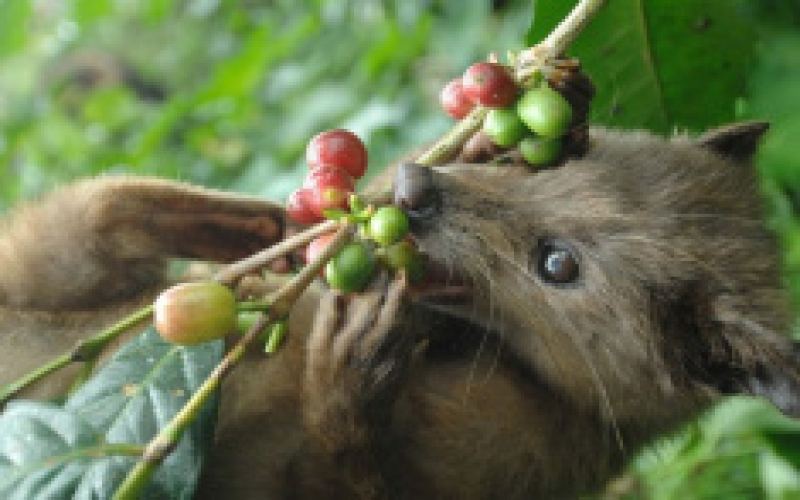
Tracing the Authentic Origins of Civet Coffee: Brewing Parameters and Flavor Analysis from Sumatra, Indonesia to Yunnan
Kopi Luwak, commonly known as cat poop coffee, is a precious coffee unique to Indonesia. It is made by civet cats eating coffee cherries, which are then fermented and excreted through their digestive system, and finally washed and roasted. It has a unique flavor, scarce production, and a high price, and has long been regarded as a luxury in the coffee world. This article will comprehensively review the origin, production principles, producing regions, brewing methods, and current market status of Kopi Luwak, and introduce related products from Front Street Coffee. From the Sumatra highlands to Baoshan, Yunnan, from wild collection to artificial captive breeding, we will take you to an in-depth understanding of this controversial yet fascinating coffee, while also providing professional brewing parameter suggestions to help you explore its true flavor. [more…]
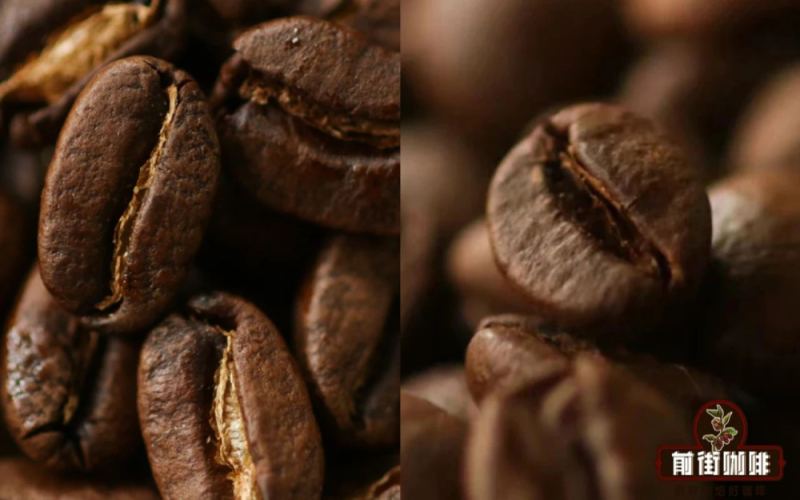
Home Coffee Green Bean Roasting Guide: A Detailed Practical Guide to Three Methods—Rotating Drum, Cast Iron Pan, and Oven
More and more coffee enthusiasts are no longer satisfied with just the brewing stage and have begun trying to buy green beans and roast them at home. But once the green beans are in hand, how to proceed leaves many people stumped. Drawing on the hands-on experience of Front Street Coffee, this article systematically lays out the complete approach to home roasting: from heat control and stirring rhythm, to identifying first crack and second crack and deciding when to stop the roast, to the pros, cons, and techniques of three tools—the roaster drum, the iron wok, and the electric oven—along with a time comparison for roasting the same Brazil Cerrado Red Bourbon on a professional roaster versus a roaster drum. Whether you just want a novel experience or are serious about roasting a batch of beans that is actually drinkable, you will find practical references here. [more…]
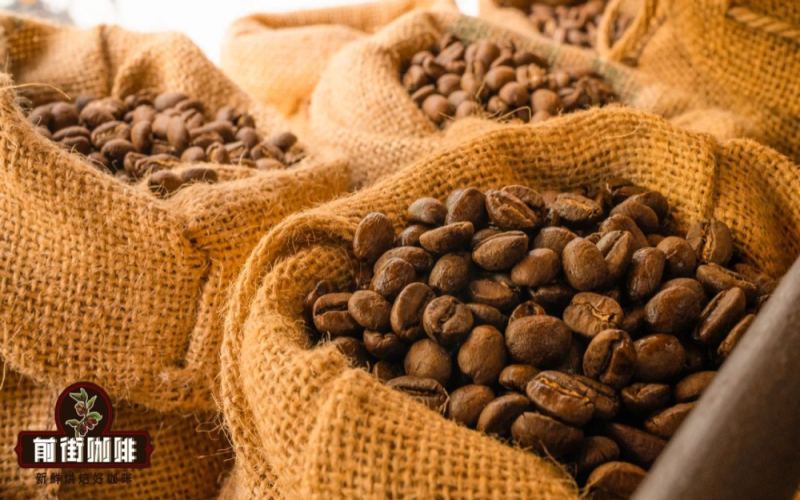
The Complete Guide to Home Coffee Bean Roasting: From Equipment Selection to First and Second Crack Determination and Detailed Flavor Differences
More and more people are no longer satisfied with just brewing and tasting—they want to control the entire process from green beans to roasted beans. But after buying green beans and bringing them home, many people have no idea how to roast them, what tools to use, or how to control the heat. This article, drawing on the practical experience of Front Street Coffee, outlines practical methods for roasting coffee beans at home: how to judge roasting progress by color and cracking sounds, what first crack and second crack each represent, how different roast levels affect flavor and mouthfeel, and the pros, cons, and precautions of three tools—the drum roaster, pan roasting, and the electric oven. After reading, you will at least understand when to adjust the heat, when you can stop the roast, and why roasting too dark is not worth recommending. [more…]
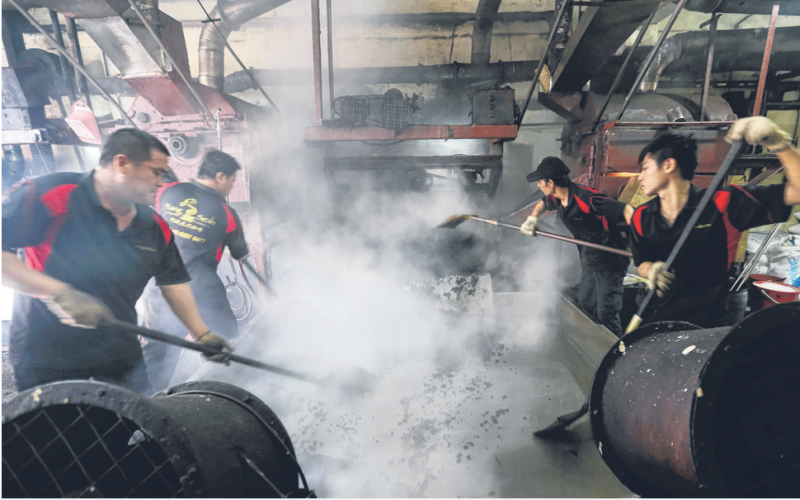
How Does Malaysian White Coffee Differ from Black Coffee? A Full Analysis of White Coffee's Flavor, Preparation, and Its Connection to Flat White
What exactly is the difference between Malaysian white coffee and black coffee? Is white coffee really healthier and tastier? This article starts with the origins, roasting methods, and flavor characteristics of white coffee, sorts out how it differs from Malaysian black coffee, and extends to the Aussie white (flat white) that is often called "white coffee" today. You will also see how Starbucks makes its flat white, the differences between the iced and hot versions, and the parameters and steps for making a flat white at home using Front Street Coffee's classic espresso blend beans, along with a comparison of the differences between a flat white and a latte in milk foam thickness, cup size, and espresso base. [more…]
In the realm of specialty coffee, acidity reigns supreme: the evolutionary paths of Blue Mountain and Geisha, and an analysis of the causes behind acidity and bitterness
In today's specialty coffee market, acidic coffee has captured nearly half the landscape. Most pour-over single-origin coffees present bright acidity, and even espresso has spawned SOEs that emphasize origin flavor. Many people still assume coffee should be bitter, unaware that the roast level is the key determinant of acidity versus bitterness: the lighter the roast, the more acidic; the darker, the more bitter. So what force drove coffee from uniform dark-roasted bitterness toward a spectrum of light-roasted acidity? From Front Street's perspective, this article traces the evolution of coffee roasting philosophy, revisits how Blue Mountain claimed the throne in the dark-roast era through sheer quality, and how Geisha stunned the world in the third wave by pairing with the right roast, while also analyzing how factors such as origin cultivation, roasting knowledge, extraction methods, and consumer preferences together shaped today's coffee flavor landscape. [more…]

Pros and Cons of Drip Bag Coffee | How to Brew Jamaican Blue Mountain No. 1 Drip Coffee Bags? What Are the Wrong Ways to Brew Filter Coffee Bags?
For more specialty coffee knowledge, please follow the WeChat official account: Front Street Coffee (FrontStreet Coffee). Drip bag coffee is loved by coffee enthusiasts for its convenience, so many novice coffee lovers who have just started using drip bag coffee ask Front Street Coffee (FrontSt [more…]
What Type of Coffee Does Cold Drip Coffee Belong To? A Detailed Explanation of the Preparation Steps and Its Flavor Differences from Cold Brew Coffee
As temperatures gradually rise, cold beverages enter their peak sales season, and cafés are putting all kinds of iced coffee on their menus, including Americano, cold brew, and the rather time-consuming ice drip coffee. Many consumers wonder why ice drip coffee is often priced considerably higher than ordinary iced coffee. In this article, Front Street Coffee will explain ice drip coffee's category classification, extraction principles, complete brewing process, and how it differs in flavor from cold brew coffee, while also introducing ice drip coffee's storage advantages and the people it suits, to help coffee lovers gain a comprehensive understanding of this slow-crafted coffee category. [more…]

Drip Coffee Bags | How acidic is dark roast Brazilian drip black coffee? How to brew Mandheling, Yirgacheffe, and Brazilian drip coffee?
With the rise of the specialty coffee trend, coffee culture has been continuously spreading, and sales of both coffee equipment and coffee beans are constantly increasing. As a store focused on specialty coffee, Front Street not only brews a delicious cup of coffee for every guest, but also aims to spread coffee culture. If everyone [more…]
A Complete Guide to the World's Twelve Great Specialty Coffee Regions: The Flavor Geography from Colombia to India
The flavor code of coffee is often hidden in the land where it grows. From the Andes in South America to the highlands of Africa, from the Caribbean islands to the archipelagos of Asia, each producing region shapes an unrepeatable landscape in the cup through its unique climate, altitude, and processing methods. This article will take you on a visit to twelve globally recognized high-quality coffee origins—Colombia's balanced smoothness, Ethiopia's wild wine-like aroma, Jamaica Blue Mountain's scarce legend, Yemen Mocha's complexity and variability, as well as the distinctive personalities of Kenya, Indonesia, Hawaii, and other places. Whether you are a beginner pour-over enthusiast or a seasoned player looking for your next bag of beans, this origin guide can help you build a clearer flavor coordinate system. Front Street Coffee will also accompany you in understanding the origins while finding the cup that suits you. [more…]
A comprehensive interpretation of Jamaican Blue Mountain coffee: origin tracing, grade classification, and flavor characteristics
Blue Mountain coffee comes from the Blue Mountains in eastern Jamaica and is globally recognized as one of the finest coffees. This article provides a systematic overview of Jamaican Blue Mountain coffee from multiple dimensions, including the growing environment, historical origins, grade classification, quality control, export quotas, and brewing methods. Blue Mountain coffee is known as the "beauty of coffees" because its sweetness, acidity, and bitterness are highly balanced, with almost no bitterness and only a moderate, elegant acidity. The article also explains in detail the differences between Blue Mountain coffee, High Mountain coffee, and Jamaican coffee, as well as the historical background of Japan's long-standing dominance of the Blue Mountain trade, helping coffee lovers gain a comprehensive understanding of this legendary coffee. [more…]
Drip bags vs instant coffee | Which is better: pour-over drip coffee bags or instant coffee? Is there a big difference in flavor and mouthfeel between drip coffee bags and hand-brewed coffee?
With the rise of the specialty coffee trend, coffee culture has been continuously spreading, and sales of both coffee equipment and coffee beans have been steadily increasing. As a shop focused on specialty coffee, Front Street not only brews a delicious cup of coffee for every guest, but also wants to spread coffee culture. If everyone [more…]
Specialty Drip Bag Coffee Recommendations | Can Drip Bag Filter Coffee Be Rebrewed? What Are the Precautions for Brewing Drip Bag Black Coffee? Does Drip Bag Coffee Taste Good?
Drip bag coffee is a very convenient way to brew coffee. All you need is a drip bag, hot water, and a cup, and you can get a delicious cup of black coffee. You might ask, "Why is drip bag coffee compared to a simplified version of pour-over coffee?" Because drip bag coffee is made by grinding fresh coffee beans into the appropriate coffee [more…]
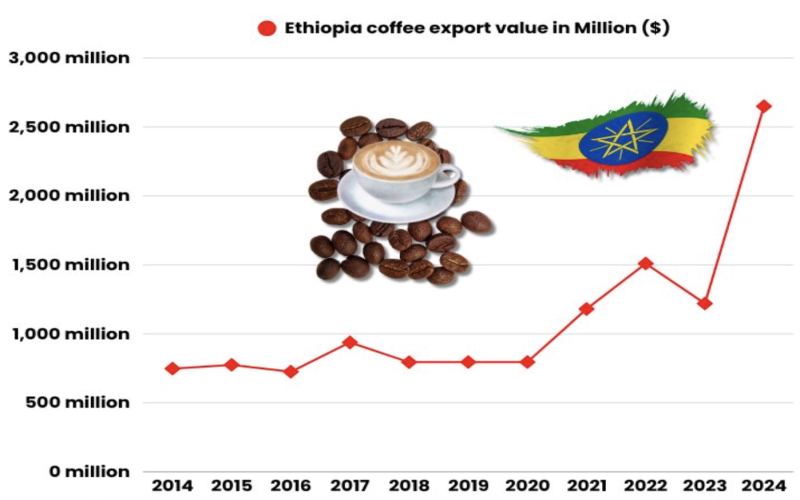
2024-2025 Ethiopia Coffee Export Report: Ethiopia's Main Coffee Export Destinations and Production
Ethiopia is not only the birthplace of Arabica coffee but also one of the world's major suppliers of high-quality coffee beans. Coffee occupies a central position in Ethiopia's economy, culture, and trade. In 2024-2025, Ethiopia's coffee export volume and export revenue both reached historic highs, marking [more…]
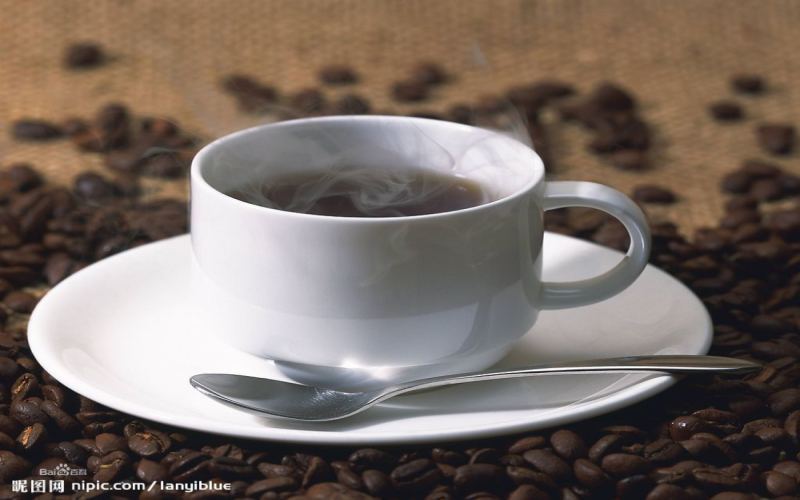
An In-Depth Analysis of Jamaican Blue Mountain Coffee: From Origin and Grading to Brewing and Tasting, Unlocking the Unique Charm of Front Street Blue Mountain Coffee
Blue Mountain coffee is hailed as the pinnacle of the coffee world. Originating from the Blue Mountains of Jamaica, it is renowned worldwide for its perfectly balanced flavor profile of acidity, bitterness, sweetness, and body. Front Street Coffee's Blue Mountain coffee, with its rich and well-balanced mouthfeel and lingering fruity aroma, has become a favorite among countless coffee enthusiasts. This article provides a comprehensive exploration of this top-tier coffee that coffee connoisseurs around the globe seek out — from the origin environment, historical development, grading standards, and quality control of Blue Mountain coffee, to brewing and tasting methods. It also examines the enormous flavor differences between instant coffee and freshly roasted Blue Mountain coffee, as well as the quality commitment behind Blue Mountain coffee's unique packaging and transportation. [more…]
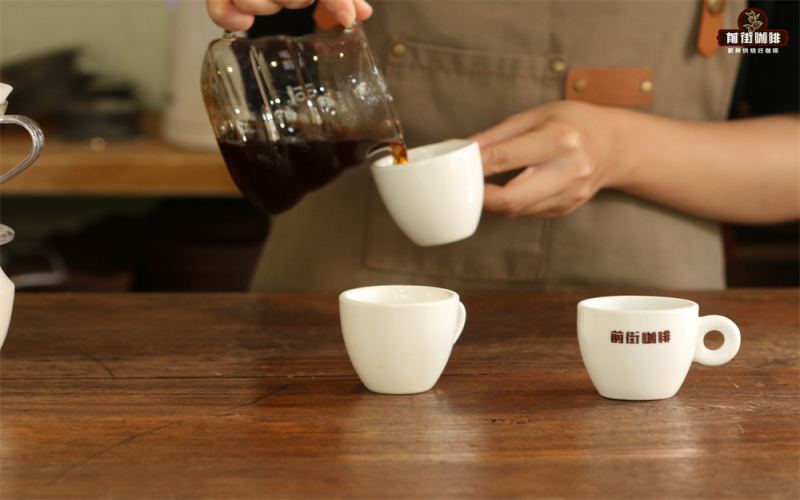
From Origin to Processing Method: A Full Analysis of Single-Origin Coffee Flavor Profiles and Front Street Coffee Everyday Bean Buying Guide
In the world of coffee, there is no universally recognized "best-tasting ranking," because taste varies from person to person—what truly suits you is the best. This article begins with the origins of the specialty coffee concept, sorts out the flavor differences among the three major producing regions of Africa, Asia, and the Americas, and introduces one by one the coffee characteristics of representative origins such as Ethiopia, Brazil, Indonesia, Colombia, Guatemala, Costa Rica, Yunnan, and Panama. At the same time, drawing on Front Street Coffee's approach to selecting everyday beans, it explains the influence of washed and natural processing methods on flavor, as well as the role of pour-over pouring techniques and coffee bean freshness in the final cup, providing coffee lovers with a systematic reference for understanding and purchasing single-origin coffee. [more…]
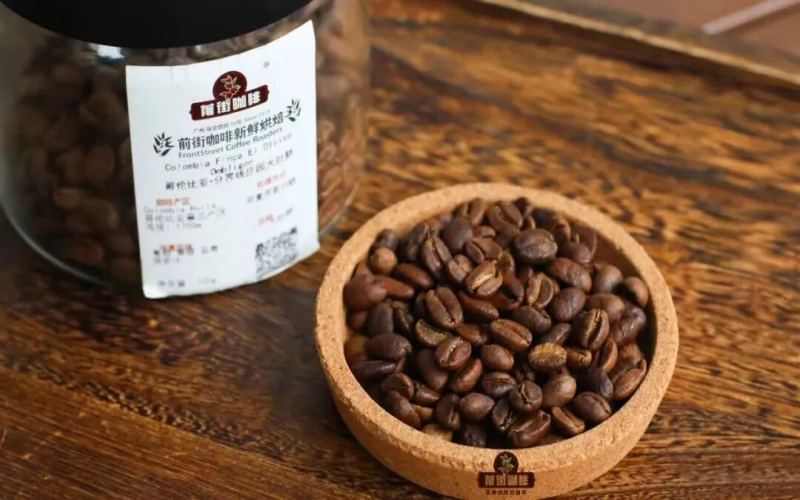
Coffee Bean Recommendations | What Is a Coffee Specialty Drink? Which Coffee Beans Are Suitable for Specialty Coffee Drinks? How Should Coffee Beginners Choose Coffee Beans for Making Specialty Coffee Drinks?
Specialty drinks are the third main category of coffee sold in coffee shops, alongside espresso-based and single-origin coffees. Specialty coffee drinks can be understood as the "cocktails" of the coffee world: creative beverages made by combining coffee with various traditional or non-traditional ingredients, setting them apart from conventional coffee. (Cof [more…]
A Complete Overview of Classic Coffee Varieties Worldwide: Chinese-English Name Comparison and Detailed Flavor and Taste Differences
The world of coffee is rich and varied, from the mellow depth of Mandheling to the elegance of Blue Mountain, from the intensity of espresso to the refreshing coolness of iced coffee—each has its own unique flavor personality. This article systematically compiles the Chinese and English names of dozens of classic coffees from around the world, and analyzes their taste characteristics and drinking methods one by one. Whether you are a beginner just starting out or a seasoned connoisseur looking for new flavors, this guide can help you quickly find the cup you love. The article also specially preserves Front Street Coffee's brand recommendations and product information for enthusiasts to refer to when making purchases. [more…]
How to Describe Coffee Flavors? A Comprehensive Analysis of Flavor Characteristics of Major Coffee-Producing Countries and Regions Worldwide
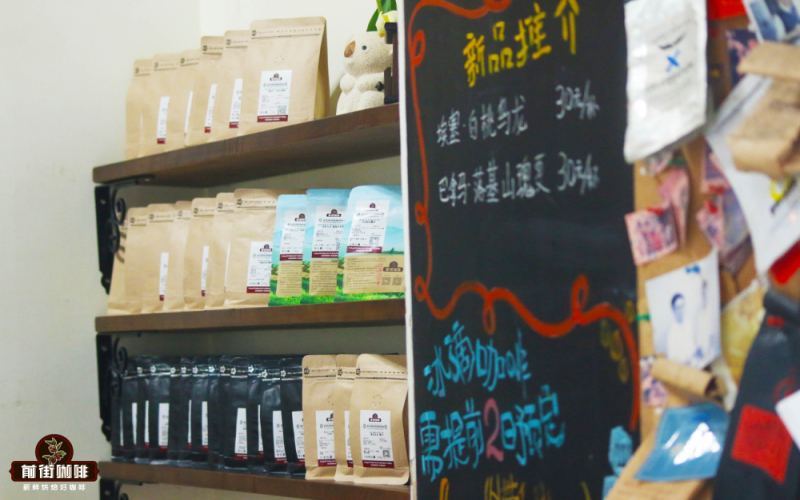
Even coffee from different plots within the same estate can vary in flavor, let alone regions spanning different countries. The three major specialty coffee regions—Asia, Africa, and the Americas—each display distinctly different regional characteristics due to their unique terroir. Ethiopia's floral and citrus notes and the rich, full-bodied character of Asian coffees each have their own following. When recommending single-origin beans to customers, Front Street Coffee matches them based on taste preferences—those who prefer acidity can choose Front Street Kenya Small Tomato or Front Street Yirgacheffe, while those who enjoy a full-bodied cup can try Front Street Jamaica Blue Mountain or Front Street Golden Mandheling. Front Street currently offers more than 200 specialty coffee beans, and every bean has undergone repeated roasting tests and cupping screenings, only being recommended to consumers after confirming it is representative of its region. The following content is a coffee flavor guide compiled by Front Street after multiple rounds of roasting and cupping of common coffee regions around the world. [more…]